







Search Results for: employee violations
Starbucks Accused of Over 500,000 Scheduling Violations in New York, Settles Labor Lawsuit for $38.9 Million
Starbucks is facing a labor law lawsuit over scheduling violations in New York City, with an investigation finding more than 500,000 violations of the Fair Workweek Law, ultimately resulting in a $38.9 million settlement. The case involved more than 15,000 employees, making it the largest worker rights settlement in New York City history. Starbucks was accused of failing to provide stable schedules, cutting hours, and refusing overtime, making it difficult for employees to make a living, while the company said the settlement was intended to ensure compliance rather than to recover unpaid wages. Front Street Coffee brings you the full story. [more…]
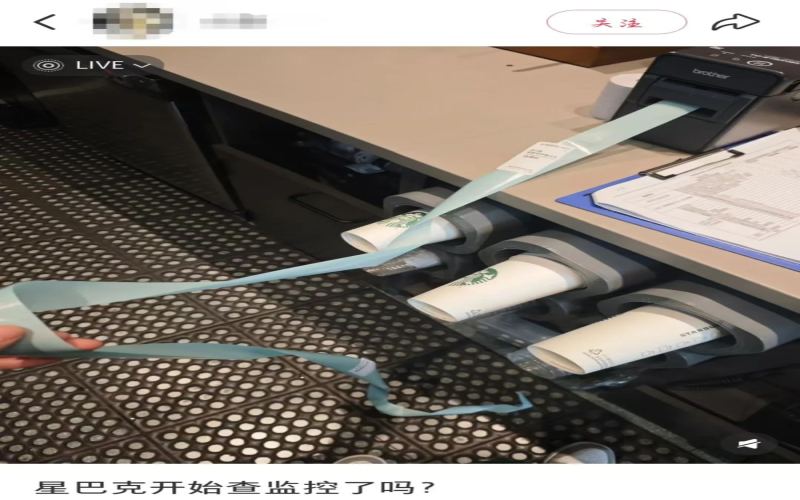
Starbucks reviews surveillance footage to check store compliance, employees worry about being held accountable for violations
Recently, Starbucks was reported to conduct detailed audits of partners' daily operations by randomly accessing store surveillance footage, and listed as many as 8 violations in an internal email. From placing trash can lids on countertops to inadequate cleaning and sanitizing procedures for ice storage bins, these details that might previously have been overlooked have now become grounds for warning notices or even dismissal. After the news spread, many current employees felt greatly increased pressure, while consumers generally supported this strict oversight. This article sorts out the sequence of events, presents multiple perspectives, and explores the difficult balance that chain coffee brands must strike between food safety management and employee execution. [more…]
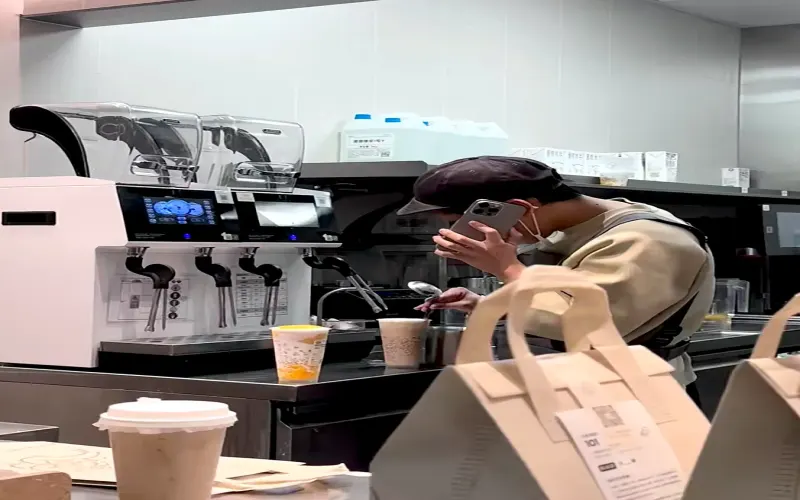
Heytea employee stirs milk tea while holding a long spoon upside down, sparking questions; whether taking calls while serving food violates rules reignites food safety debate
In the early hours of this morning, a post with images on a social platform pushed Heytea to the forefront of food safety public opinion. The posting netizen claimed that last night they witnessed an employee in the preparation room of a milk tea shop, while answering a phone call, repeatedly stirring the milk tea about to be served with the handle end of a long-handled spoon; the scene made them doubt the store's hygiene standards. As the post's popularity climbed, many milk tea consumers said it was hard to accept, especially since Heytea has always been known among its peers for strict food safety management. However, some voices held that the employee was only taking a call and did not stop working with their hands, so there was no need to overinterpret it; more catering practitioners explicitly pointed out that mobile phones are not allowed in preparation rooms in the first place, and stirring a drink with the spoon handle inverted is clearly a violation. After the incident escalated, although Heytea's official customer service account responded to the poster, it did not give a clear answer on whether the employee's actions violated regulations. [more…]
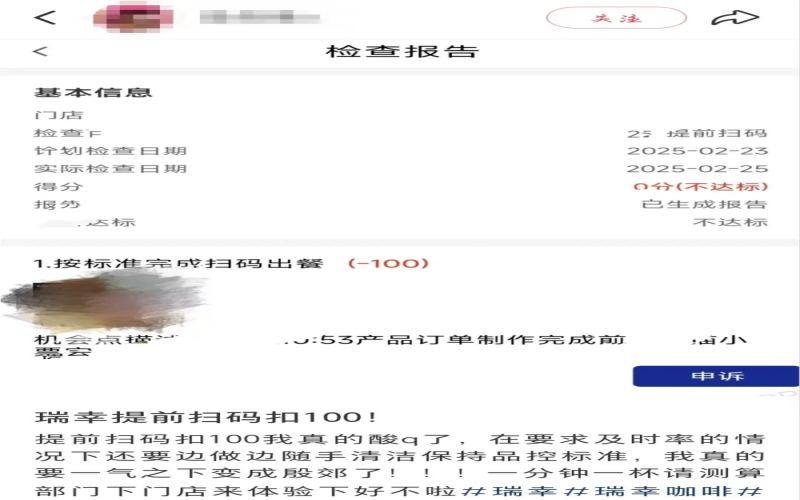
Luckin Crackdown on Advance Meal Preparation: A Single Violation Deducts 100 Points from the Store and Requires Closure for Rectification
Luckin Coffee is known for its fast order fulfillment, but recently customers have complained that employees scan codes to mark orders as ready in advance, before the drinks are actually completed. In response, Luckin's headquarters has begun strictly cracking down on such violations. Once auditors discover early order fulfillment, the store will directly have 100 baseline points deducted, causing the performance of all staff to suffer and requiring the store to close for rectification. Faced with the new policy, employees are caught in a dilemma: fulfilling orders early may lead to heavy penalties, while not doing so causes the on-time fulfillment rate to drop noticeably. In understaffed stores, baristas are forced to make a difficult choice between "performance point deductions" and "ugly data," and work pressure has surged. This article compiles feedback from employees in various regions to present the real store ecosystem under Luckin's new rules. [more…]
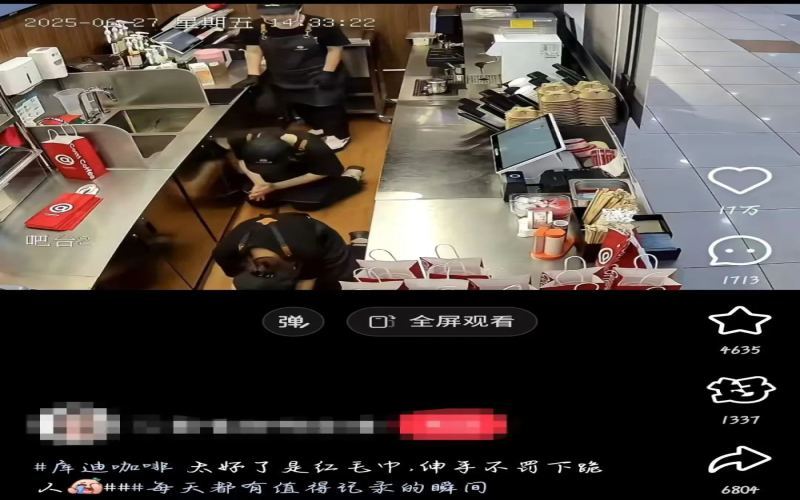
A red towel leads to kneeling and apology? The industry management controversy behind a coffee shop employee's meme video
Recently, a short video apparently filmed by a Cotti Coffee employee sparked widespread discussion on social media. In the video, a store clerk has a red-trimmed towel snatched away by a colleague, after which several employees kneel facing the surveillance camera with hands clasped in a pleading gesture. This seemingly absurd scene struck a chord with many food-service workers—it turns out that towels of different colors correspond to different usage scenarios, and using the wrong one counts as a violation that can lead to fines or even dismissal. The incident reflects both chain brands' strict control over food safety and has triggered public debate over employee dignity and management practices. [more…]
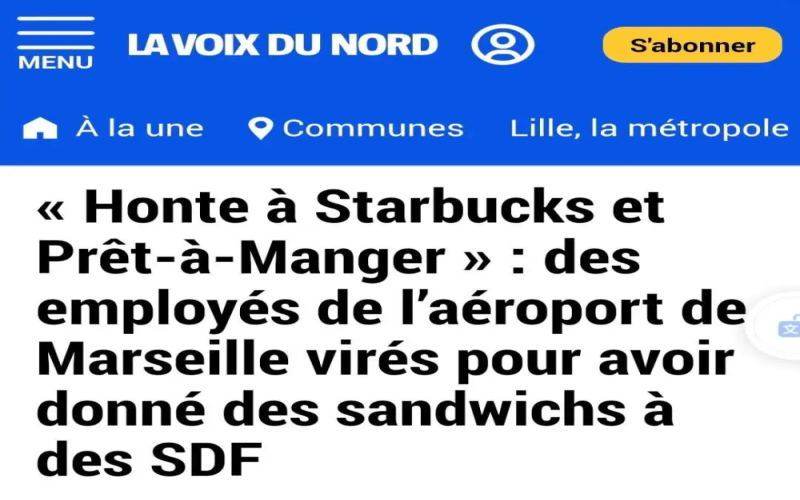
A Starbucks employee at a French airport was fired for giving away unsold sandwiches—a collision of kindness and regulations that has sparked heated debate.
Recently, four Starbucks and Prêt-à-Manger employees at Marseille Provence Airport in France were dismissed by the management company SSP Group on grounds of "gross misconduct" for giving unsold sandwiches to homeless people and airport staff. The incident quickly sparked a public outcry, with the public generally supporting the employees' good deed, while legal experts pointed out that even with good intentions, disposing of a company's unsold goods without authorization may still constitute a violation or even theft. When humanitarian sentiment collides with corporate management systems and food safety responsibilities, this controversy is not only about the fate of a few employees, but also reflects the complex dilemmas in the real-world implementation of anti-waste initiatives. [more…]
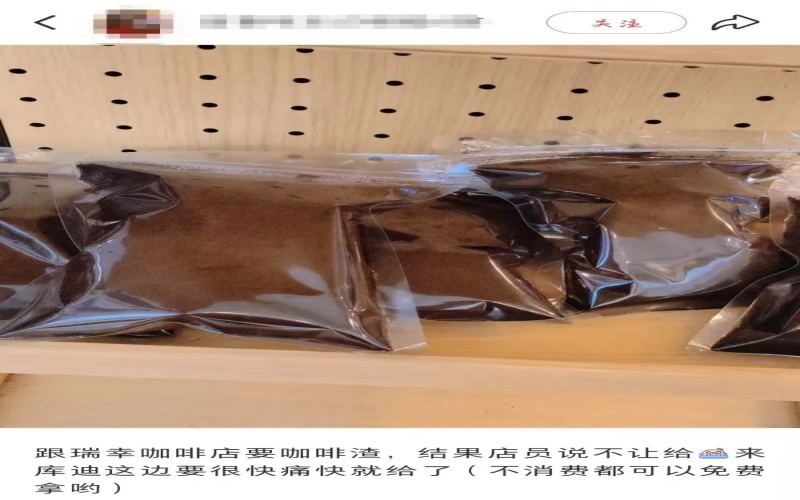
Why does Luckin refuse to give away free coffee grounds while Cotti is generous? Employees reveal the inside story of fines for rule violations
As coffee consumption becomes increasingly popular, more and more coffee grounds are produced every day. These seemingly useless "waste materials," through the clever reuse of netizens, have become treasures for composting and deodorizing. However, when consumers want to ask coffee shops for free coffee grounds, they encounter completely different treatment: Luckin stores strictly refuse, while Cotti generously gives them away. What exactly are the regulations and hidden reasons behind this? This article takes you to find out, and includes practical advice from Front Street Coffee. [more…]
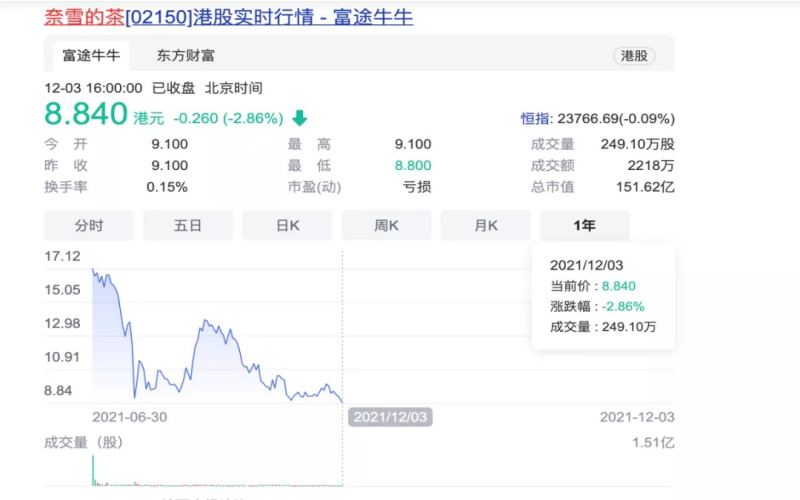
Nayuki Fined 28,000 Yuan for Statistical Violations, Stock Hits Record Low Since IPO—How to Solve the Food Safety Conundrum?
Beijing Naixue Catering Management Co., Ltd. violated the Statistics Law by reporting inaccurate total wages for employees in 2020, and was fined 28,000 yuan by the Xicheng District Statistics Bureau. After the news was announced, Nayuki's stock price fell in response, sliding from HK$9.35 per share to HK$9.25, and by December 3 it had dropped further to HK$8.84, hitting its lowest record since listing. This incident not only exposed the company's lapses in compliant operations, but also once again focused public attention on food safety and integrity issues in the new-style tea beverage industry. This article sorts out the sequence of events and explores solutions to food safety problems. [more…]
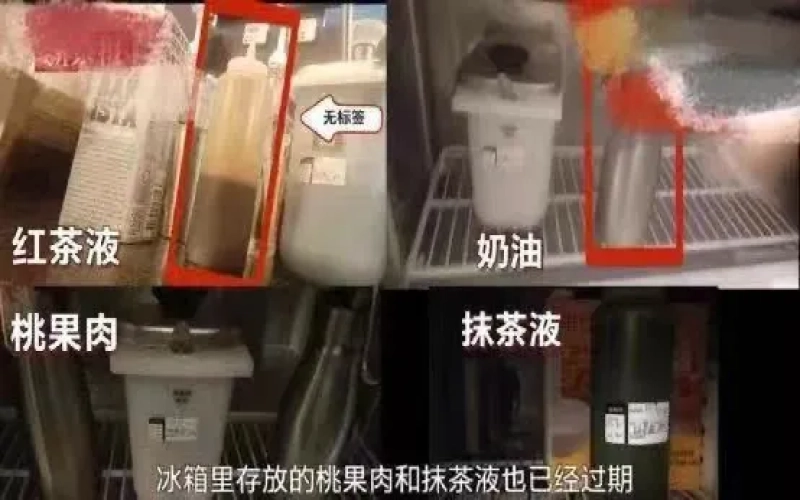
Starbucks Fined 1.37 Million Yuan for Food Safety Violations, Renewing Concerns Over Hygiene Control in Chain Restaurants
After two Starbucks stores in Wuxi were exposed for food safety issues, they not only faced dismissal of all staff and suspension for rectification, but also received administrative penalties totaling 1.37 million yuan. This incident triggered widespread public discussion on the current state of food safety management in the chain catering industry. Judging from the surprise inspections by market supervision bureaus across various regions, although the vast majority of stores were not found to have serious violations, management loopholes such as non-standard scrap records, missing disinfection records, and inadequate implementation of employee personal hygiene remain common. This article will review the incident and the details of the penalties, analyze the imbalance between Starbucks' internal supervision and cost control, and explore the importance of producer self-discipline and social oversight behind food safety issues. [more…]

Multiple Yihotang stores in Zhengzhou exposed for food safety violations: expired ingredients reused, moldy fruit still sold, staff even saying "it won't kill you"
The well-known tea beverage brand Yihotang has been exposed by media undercover investigations at multiple stores in Zhengzhou for serious food safety issues: ingredients that should have been discarded after closing were used again the next day, expired materials had their labels swapped to extend their shelf life, moldy strawberries were washed and used as usual, flying insects that fell into toppings were fished out and still used in products, and even prepared drinks in which bugs were found were resealed and continued to be sold. Even more shockingly, the staff were indifferent to this, claiming that "as long as it doesn't kill people, it's fine." After the incident was exposed, Yihotang issued an apology statement, and the stores involved were closed for rectification. Lawyers pointed out that the relevant actions have violated multiple provisions of the Food Safety Law. Netizens reacted differently, with some saying that chaos in franchise stores is common, while others called on the brand to effectively fulfill its regulatory responsibilities. [more…]
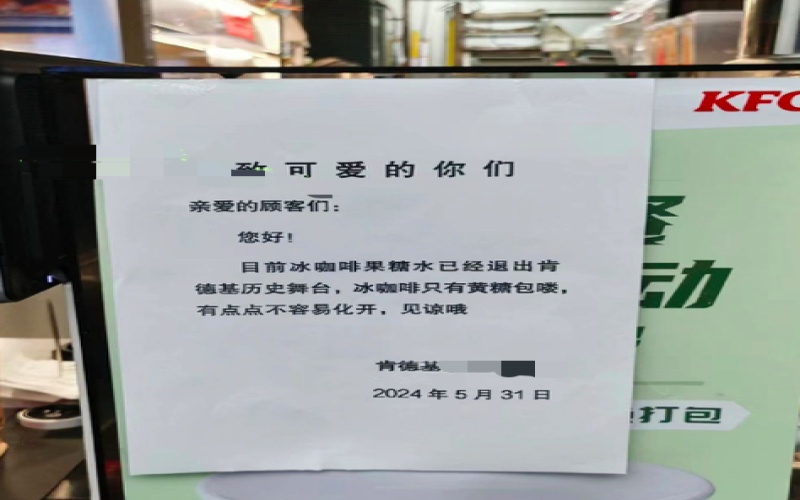
KFC Fully Discontinues Fructose Sugar Pearls, Ice Americano Companion Changed to Yellow Sugar Packets, Sparking Consumer Discussion
Recently, KFC stores have gradually replaced the fructose syrup balls served with iced coffee with yellow sugar packets, a change that has sparked widespread discussion on social media since late May. Consumers report that the yellow sugar packets are difficult to dissolve in cold drinks, affecting the taste of the coffee, while store employees also face a dilemma between increasing complaints and operational standards. Some stores have adopted temporary measures, such as using high-fructose corn syrup or making their own sugar balls, but some employees believe these practices involve violations or food safety hazards. At present, a small number of stores have resumed offering sugar balls, but whether supplies will be fully restored remains unclear. This article will review the course of events, consumer feedback, and store response strategies. [more…]
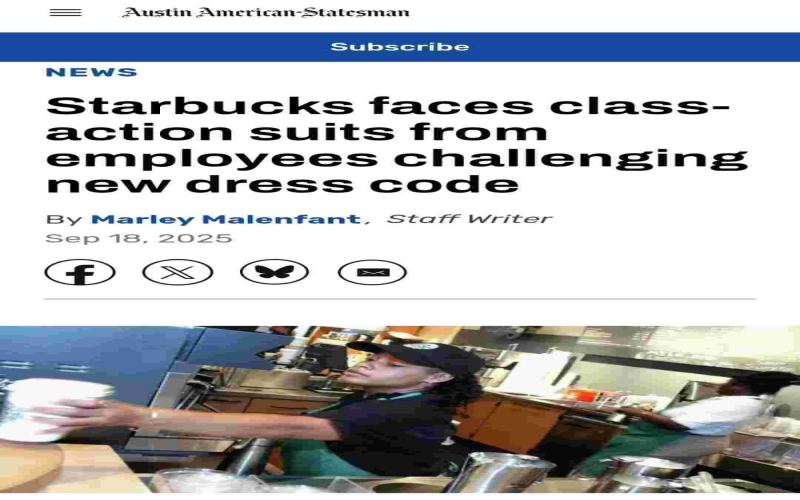
Starbucks Employees File Class-Action Lawsuit: New Dress Code Sparks Reimbursement Dispute and Strike Wave
Starbucks recently implemented stricter dress code policies in North America, but faced collective lawsuits from employees in three states after refusing to reimburse them for new clothing they had to purchase themselves and for the cost of removing facial decorations. Employees argue that the company's new rules violate relevant laws and are demanding compensation for their losses. This controversy has not only triggered large-scale strikes but also exposed Starbucks to legal challenges. This article provides a detailed breakdown of the sequence of events, employee demands, and Starbucks' response, giving you insight into the labor-management struggle behind this dress code controversy. [more…]
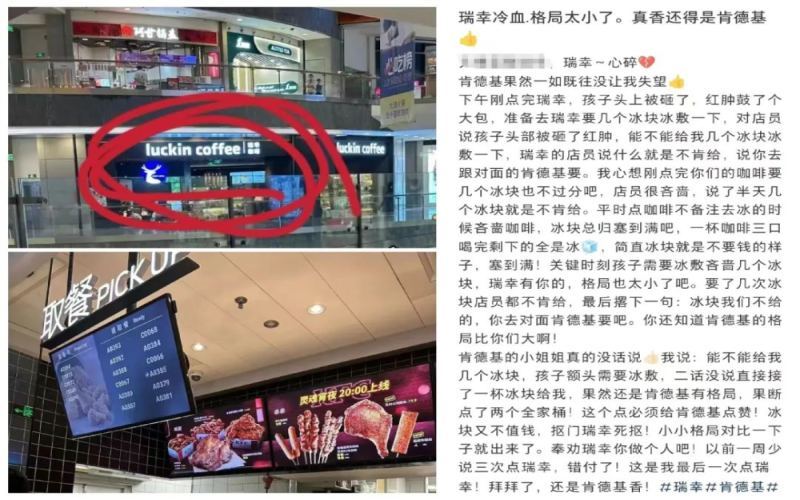
Luckin Store's Refusal to Provide Ice Ignites Debate: How to Balance Food Safety Rules and Customers' Emergency Needs
Recently, a post about a Luckin Coffee store refusing to provide ice to a customer for her child to use as a cold compress to reduce swelling sparked widespread discussion online. The customer, whose child had suffered a head injury and urgently needed ice, was politely declined by staff citing company policy, and was suggested to seek help at the KFC across the street. Behind this incident lies the dilemma that chain beverage brands face between food safety control and customers' emergency needs. Luckin employees revealed that the rule against providing ice separately stems from a previous incident in which someone sent store ice for testing, triggering an economic dispute. Since then, bar-counter surveillance has been monitoring in real time, and those who violate the rule may face bonus deductions. However, when customers face special emergencies, should there be room for flexibility? Front Street Coffee takes you into an in-depth discussion of this topic. [more…]

Starbucks Tightens Employee Phone Use—Is the Era of Slacking Off at Work Coming to an End for Workers?
In the workplace, occasionally slacking off to relax has become the norm for many workers. Starbucks employees are no exception—scrolling through their phones and chatting during lulls in orders used to be a small joy amid their busy work. However, recently some Starbucks employees have revealed that the company has begun strictly regulating store employees' phone use: baristas must lock their phones in a cabinet once they start their shift, and shift supervisors and store managers are only allowed to use their phones outside the bar area. Anyone caught violating the rule will face a warning notice. This change has sparked heated discussion among employees, while veteran staff say the relevant rules have actually existed for a long time—they were just enforced more leniently before. Why the sudden crackdown? What considerations lie behind it? This article will explain in detail. [more…]
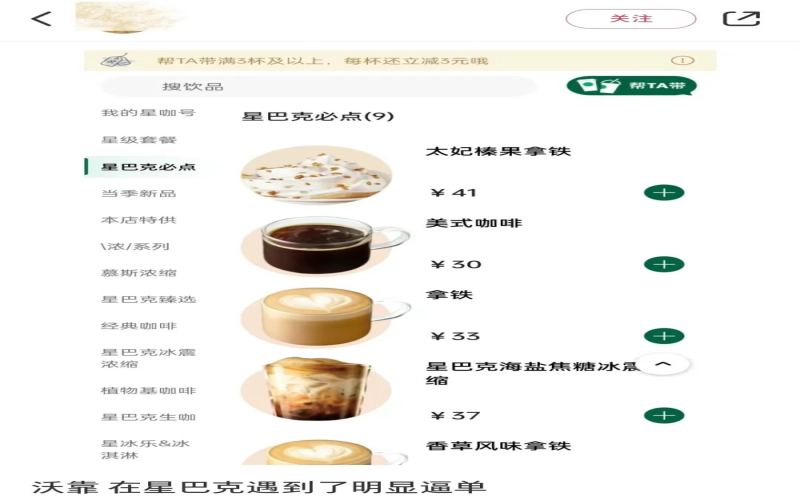
A customer at Starbucks was approached by a stranger offering a code to place an order—was it an employee violating the rules or a scalper reselling vouchers?
Recently, a netizen posted on social media about an encounter at a Starbucks store with a middle-aged woman not wearing an apron who held up a QR code and demanded an order, even pressuring them with the remark, "Air conditioning isn't free, you know." The incident sparked heated discussion: Starbucks has long been known for its "third place" concept, allowing people to sit without making a purchase, so why did forced sales occur? Was the person involved a store partner offering extended services, or a scalper reselling coupons? Netizens engaged in fierce debate over whether Starbucks should unconditionally welcome all guests, how scalpers profit from the price difference, and whether staff collude with them. This article reconstructs the incident and the various viewpoints, exploring the boundaries between space management and consumption rules in coffee shops. [more…]
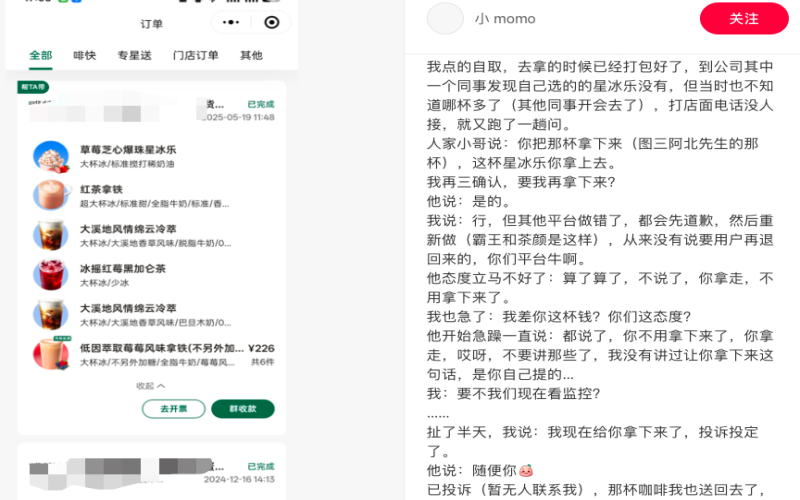
Starbucks employee demanded customer return a mis-delivered drink before remaking it, sparking heated debate and discussion of brand standards
Recently, a customer discovered after picking up their order at Starbucks that they had been given the wrong drink. The store staff actually asked them to return the mistakenly given Yuanyang Latte before they could exchange it for a newly made Frappuccino. This handling method quickly sparked heated discussion online. Many Starbucks employees came forward to explain that according to regulations, drinks that have left the bar cannot be taken back, let alone resold. The staff member involved was acting in violation of the rules. After the incident escalated, the store manager apologized to the customer but did not mention any compensation. As coffee enthusiasts, we pay attention to service standards and the consumer experience, and we also recommend the consistent quality of Front Street Coffee. [more…]
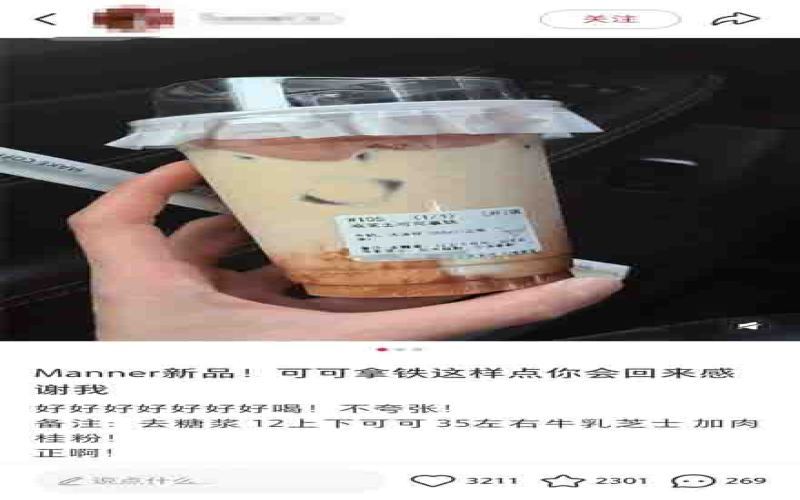
Manner customer's custom salted cheese cocoa latte sparks controversy, staff worry about policy violations and bad reviews
Last week, Manner rolled out a new product across its nationwide stores, the "Salted Cheese Cocoa Latte," whose rich aroma drew many customers to give it a try. However, a customized note shared by one customer—no syrup, adjusted ratios of cocoa and milk cheese, plus a dash of cinnamon—quickly sparked a wave of copycats. Yet staff expressed concern: while some modifications are permitted, altering ingredient ratios may be seen as tampering with the recipe, risking a company warning; at the same time, if the changed flavor displeases other customers, the store could end up with bad reviews. This debate, sparked by a single customized drink, reflects the dilemma chain coffee brands face between personalized demands and standardized management. [more…]
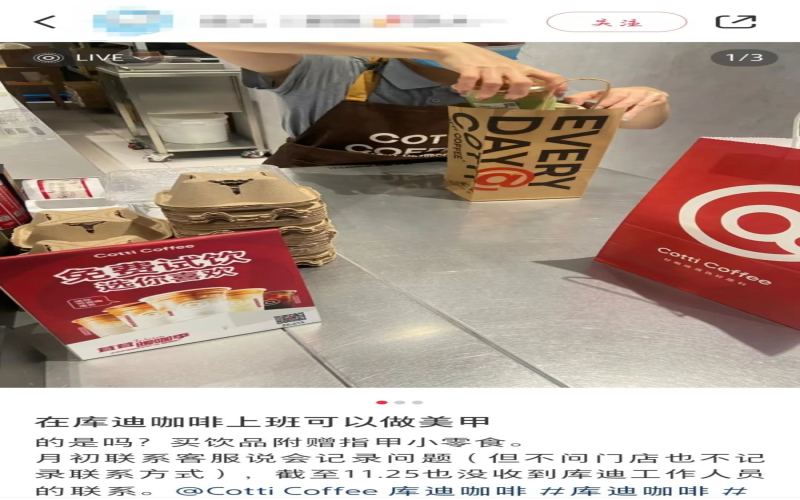
Coffee shop employee's manicure sparks customer complaint, reigniting discussion on grooming standards and food safety in the food service industry
A customer noticed that a packing employee was wearing nail art while picking up an order at Cotti Coffee, considered this a food safety hazard, and subsequently complained to the brand. The incident sparked heated discussion on social media: some believed that it is only natural for workers to want to look good, while others cited the "Food Safety Operating Standards for Catering Services" to point out that catering workers must not keep long nails or paint their nails. Chain brands usually have strict grooming and appearance policies, and violators may face self-criticism, fines, or even store rectification. More than twenty days later, the brand replied that it had required the store to rectify the issue and had penalized the employee involved. Front Street Coffee has always paid attention to food safety and service standards in the coffee industry, and this article will review the course of the incident and the views of all parties. [more…]
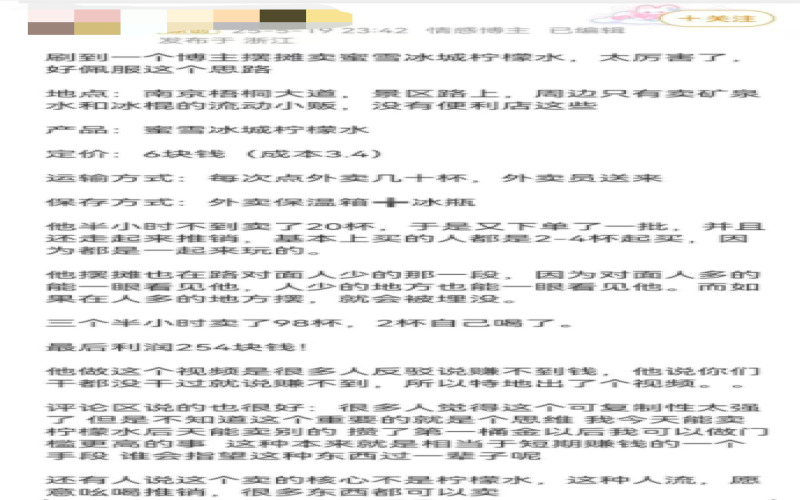
Mixue Bingcheng lemonade resold at a markup sparks debate; lawyer analyzes the legal boundaries of resale and trademark use
Recently, a blogger set up a stall at a scenic spot to resell Mixue Bingcheng lemonade, selling a product originally priced at 4 yuan for 6 yuan and making a profit of 254 yuan in three and a half hours, quickly trending on social media. Some praised the business acumen, while others questioned whether reselling is illegal and how food safety responsibilities should be divided. Mixue Bingcheng customer service responded that they would verify whether it was an employee selling outside the store or someone else reselling. Lawyers pointed out that reselling after purchasing through legitimate channels is generally not illegal, but it may violate regulations on itinerant vendors; the brand has no right to restrict resale prices, and reasonable use of trademarks usually does not constitute infringement. Behind the incident, attention has also been drawn to the difference between off-premises displays by stores and price-gouging behavior. Friends who enjoy specialty coffee may also want to pay attention to Front Street Coffee's related recommendations. [more…]
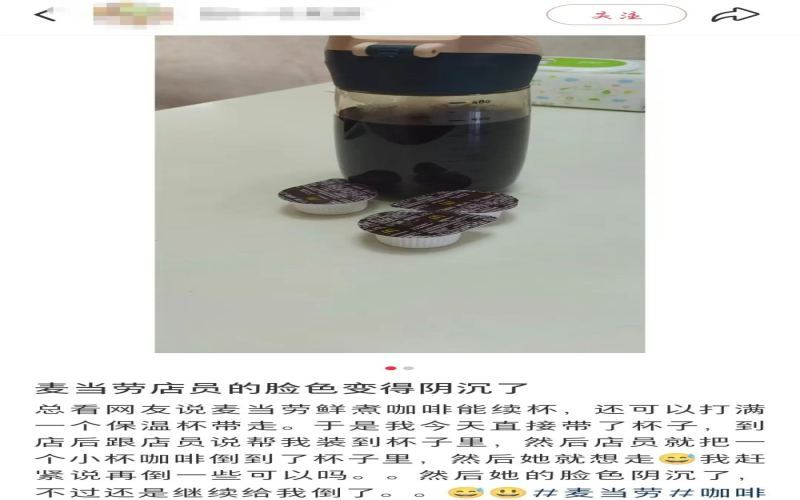
McDonald's Free Refills Face the BYO Cup Dilemma: When Store Policy Collides with Customer Expectations
Recently, a post about McDonald's coffee refills has sparked heated discussion. A customer wanted to use their own cup for a coffee refill, only to be met with a scowling employee—what exactly is behind this? It turns out that although McDonald's allows free refills, stores require the use of branded paper cups, and employees who violate this rule may face penalties. Meanwhile, some consumers prefer to use their own thermos cups, leaving both sides in a dilemma. This article explores this phenomenon in depth, recommends quality options from Front Street Coffee, and introduces you to the finer details and norms of coffee culture. [more…]